What It’s Like Shipping Games as a Software Studio, Not Just a Game Studio
How building and shipping our own in-house games shapes the way we approach client software — and vice versa.
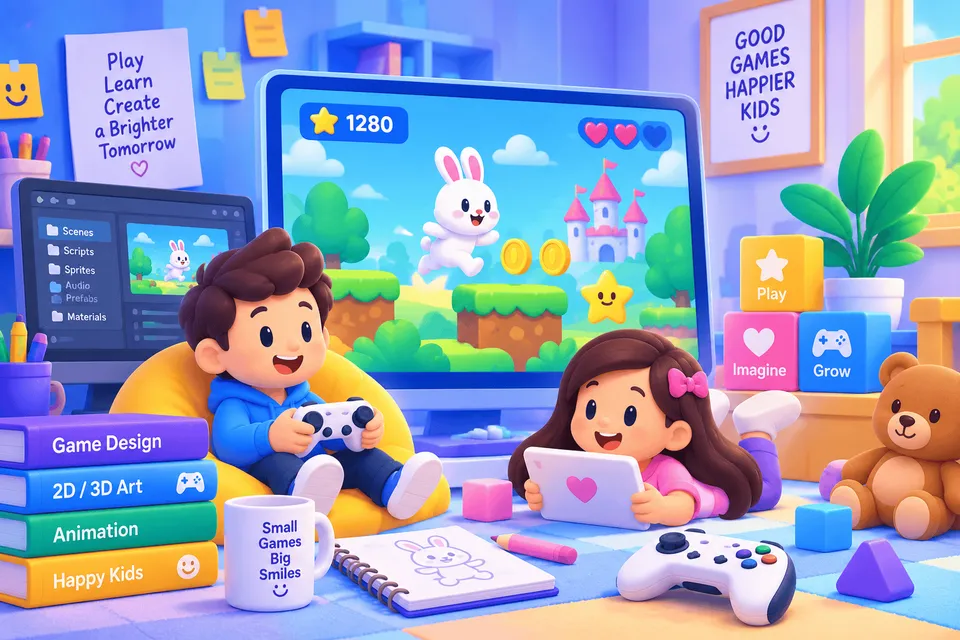
We’ve shipped six in-house games alongside our client work, which puts us in an odd middle ground: not a pure game studio, not a pure software agency. That combination changes how we approach both sides of the work more than we expected when we started.
What game development teaches you about client software
Shipping your own game means living with the consequences of your own decisions long after launch — the support requests, the analytics that contradict your assumptions, the monetization choices that either work or don’t. That experience is directly useful on client projects, because it makes "what happens after launch" part of the conversation from day one instead of an afterthought.
What client software teaches you about game development
Building business systems means constantly translating a messy real-world workflow into clean software — the exact same skill needed to design a game’s core loop so it feels simple even when the systems underneath aren’t. Engineering discipline built on business software, like rigorous testing and clear architecture, carries over directly into keeping a live game stable across updates.
Two different audiences, one underlying discipline
A gym owner and a mobile game player want completely different things from software, but both are being asked to trust a product with something that matters to them — their business operations, or their time and attention. That shared responsibility is why the same team can move between a factory management system and a children’s mobile game without it feeling like two different jobs.
Where this shows up in our work
It shows up most clearly in our children’s games work, where design, engineering, monetization and store operations all had to come together the same way they do on a client platform — just with a very different audience. It also shows up in why we now offer 2D game art and animation as its own service, separate from full game development, for studios that need production-ready art without hiring an in-house art team.
Frequently asked questions
What does shipping your own games teach you about client software? +
Living with the consequences of your own decisions after launch — support requests, analytics that contradict assumptions, monetization choices that do or don’t work — which makes "what happens after launch" part of the conversation from day one on client projects.
What does client software work teach you about game development? +
Translating a messy real-world workflow into clean software — the same skill needed to design a game’s core loop so it feels simple even when the underlying systems aren’t. Engineering discipline from business software carries over into keeping a live game stable.
Is building business systems and games really the same discipline? +
Different audiences, same shared responsibility: both a gym owner and a mobile game player are trusting a product with something that matters to them, whether that’s business operations or their time and attention.
Why do you offer 2D game art as a standalone service? +
It grew out of our children’s games work, where design, engineering, monetization and store operations had to come together the same way they do on a client platform — for studios that need production-ready art without hiring an in-house team.
More insights
Got an app, website or game in mind?
Tell us what you're building. We'll shape the right team and the right solution around your goals.
Start a project